
The allure of homemade bread is hard to resist, and this No-Oven Turkish Bread is the perfect answer for anyone craving that freshly baked goodness without the fuss of an oven. Picture this: the moment you pull a golden-brown disk from the skillet, its warm, fluffy texture inviting you to break off a piece. Whether you’re dipping it into a savory soup, stuffing it with your favorite ingredients, or simply slathering it with butter, there’s something deeply satisfying about this easy bread recipe.
Using an uncomplicated approach, this skillet flatbread comes together quickly, making it a fantastic choice for those busy weeknights or last-minute gatherings. Plus, with a few simple ingredients you likely already have on hand, you’ll wonder why you never tried making your own bread before. So, let's dive into this delightful recipe that promises not just flavor, but a bit of culinary magic right in your own kitchen!
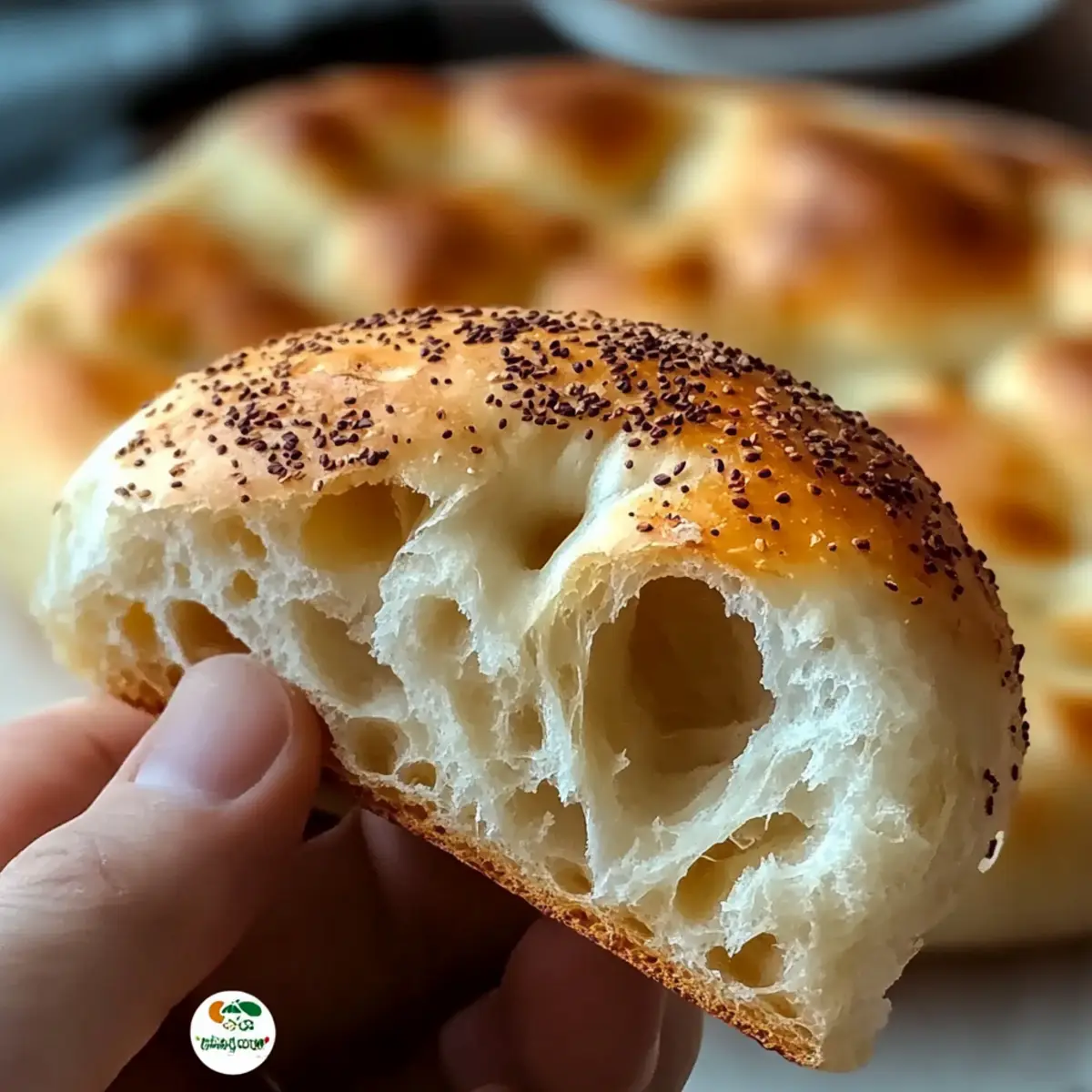
Why choose No-Oven Turkish Bread?
Simplicity at Its Best: This recipe requires just a few pantry staples, making it a breeze to whip up any day of the week.
Fluffy and Delicious: Once cooked, you’ll savor the light, airy interior paired with a perfectly golden crust that tempts everyone!
Quick Cooking Time: With just 4-5 minutes per side in a skillet, you'll have homemade bread ready in no time.
Endless Versatility: Use it as a dipper for soups, a wrap for grilled meats, or as a base for delicious flatbreads stuffed with cheese and herbs.
Crowd-Pleasing Appeal: Whether at a family dinner or casual gathering, this bread is sure to impress even the pickiest eaters!
For further inspiration, try incorporating different herbs or even a hint of garlic to elevate the flavor!
Ingredients for No-Oven Turkish Bread
• A simple yet satisfying selection awaits!
For the Dough
- All-Purpose Flour - Provides the structure. Substitute with whole wheat flour for a slightly denser texture.
- Salt - Enhances flavor. Essential for taste; cannot be omitted.
- Sugar - Balances flavors and helps browning. Can be substituted with honey or agave nectar in liquid form.
- Instant Yeast - Leavens the bread. Active dry yeast can be used but must be activated in warm water first.
- Warm Milk - Adds moisture and richness. Use non-dairy milk for a vegan option.
- Warm Water - Hydrates the yeast and dough. Ensure it’s not too hot to avoid killing the yeast.
- Olive Oil or Melted Butter - Adds richness and moisture. Use vegetable oil or dairy-free spread for a vegan alternative.
Optional Toppings
- Melted Butter - Adds flavor and helps toppings adhere.
- Garlic (Minced) - Provides aromatic flavor. Omit for a simpler taste.
- Sesame Seeds - Adds crunch and texture. Substitute with poppy seeds or omit as desired.
- Chopped Fresh Parsley or Cilantro - Freshness and color. Can be replaced with other herbs like dill or omitted.
With these ingredients, your No-Oven Turkish Bread will transform into a delightful culinary experience!
How to Make No-Oven Turkish Bread
Mix Dry Ingredients: In a large bowl, whisk together the all-purpose flour, salt, sugar, and instant yeast until well combined. This step is essential for evenly distributing the ingredients.
Combine Wet Ingredients: In another bowl, gently mix the warm milk, warm water, and olive oil or melted butter. Ensure the liquids are warm, not hot, to keep the yeast active but unharmed.
Form the Dough: Pour the wet mixture into the dry ingredients, and stir until a shaggy dough forms. Don't worry if it looks a bit rough at this point; it will come together!
Knead the Dough: On a lightly floured surface, knead the dough for about 8 minutes until it becomes smooth and elastic. This helps develop the bread's structure, ensuring a fluffy texture.
Let It Rise: Place the kneaded dough in a bowl and cover it with a clean kitchen towel. Let it rise in a warm, draft-free area for about 1 hour or until it doubles in size.
Shape the Bread: After the dough has risen, punch it down gently to release any air bubbles. Divide it into equal portions, shape each portion into discs, and let them rest for about 10 minutes.
Cook in a Skillet: Heat a skillet over medium heat and place one disc at a time in the skillet. Cook for approximately 4-5 minutes on each side until golden brown. Keep an eye on the color to avoid burning!
Optional Topping: Immediately after cooking, brush each flatbread with melted butter and sprinkle with your choice of toppings, such as minced garlic or sesame seeds. This adds a burst of flavor!
Serve: Enjoy the bread warm, perfect for dipping into soups, spreading with butter, or as a wrap for delightful fillings.
Optional: Garnish with fresh herbs for a pop of color and flavor just before serving.
Exact quantities are listed in the recipe card below.
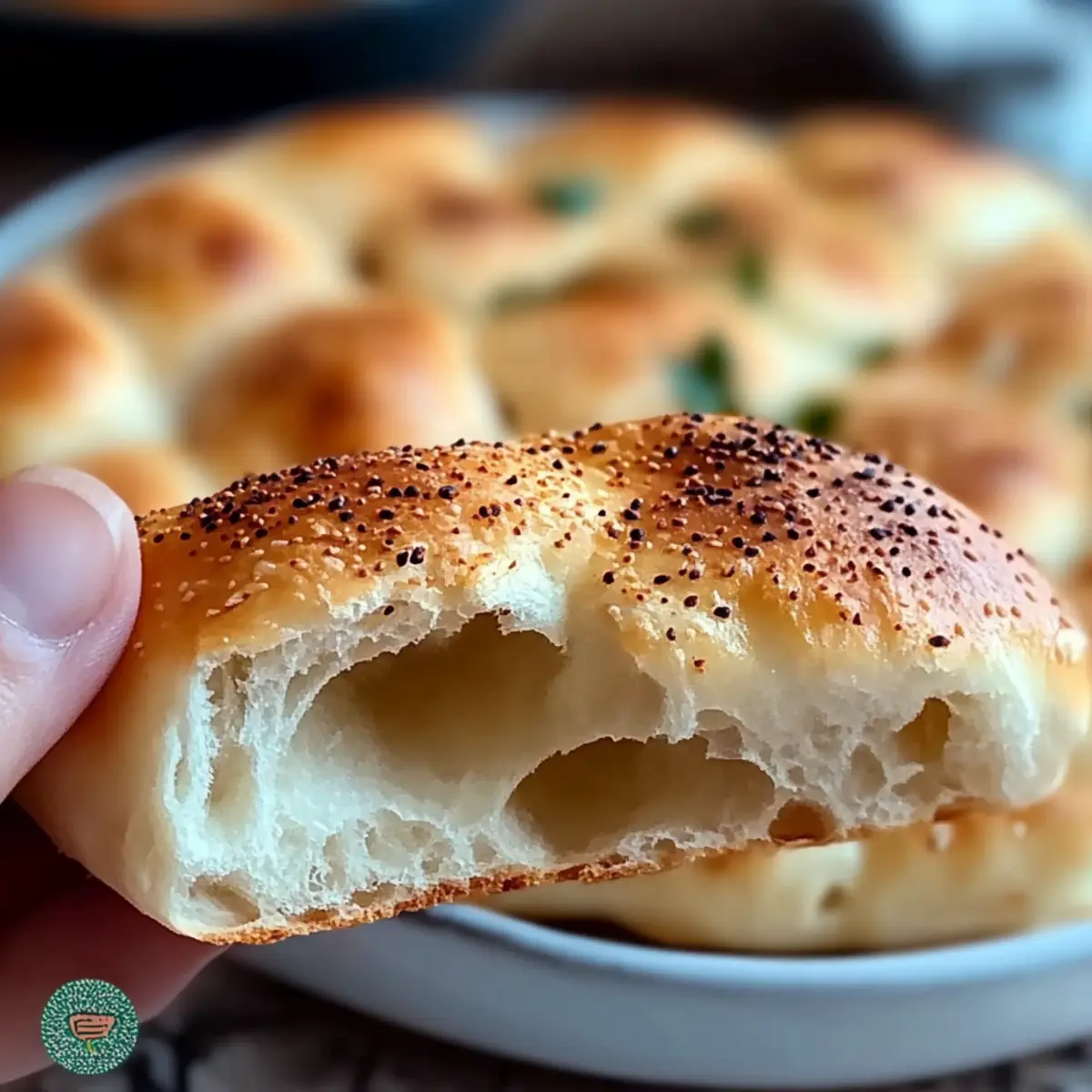
Make Ahead Options
These No-Oven Turkish Breads are perfect for busy home cooks looking to save time! You can prepare the dough up to 24 hours in advance by mixing all the dry ingredients and storing them in an airtight container. On the day you plan to serve, simply combine with the wet ingredients, knead, and let the dough rise. Alternatively, after cooking, you can store the cooked flatbreads in an airtight container at room temperature for up to 2 days. When you’re ready to enjoy them, just reheat in a skillet for that freshly baked goodness. By prepping ahead, you'll have delicious, fluffy flatbreads ready to complement any meal with minimal effort!
What to Serve with No-Oven Turkish Bread?
Create a delightful meal experience that tantalizes the senses with these perfect pairings.
- Hearty Soups: Enjoy the fluffy bread as a dipper for warming soups like tomato or lentil, enhancing each bite with texture.
- Grilled Vegetables: Pair with charred veggies for a flavorful contrast; the bread complements the smoky taste wonderfully. Roast them lightly, and you'll have a delightful medley!
- Savory Dips: Serve with hummus or tzatziki, which enrich the experience through creamy textures and fresh flavors. The bread’s soft surface is ideal for scooping.
- Stuffed Flatbreads: Try filling the No-Oven Turkish Bread with grilled chicken or spicy feta for an exciting twist. The warm bread wraps around fillings perfectly!
- Spiced Olives: A bowl of marinated olives offers a briny bite that contrasts with the bread's softness. Together, they create a simple yet elegant snack.
- Red Wine: A glass of fruity red wine rounds out your meal beautifully, enhancing the rich flavors of the bread while creating a comforting atmosphere.
These pairings will transform your No-Oven Turkish Bread into a centerpiece of satisfaction and delight!
Variations & Substitutions for No-Oven Turkish Bread
Customize your baking adventure with these delightful twists to enhance your No-Oven Turkish Bread experience!
- Whole Wheat: Substitute all-purpose flour with whole wheat flour for a heartier, nutty flavor and more fiber.
- Herb-Infused: Add dried herbs like oregano, thyme, or rosemary to the dough for an aromatic touch that elevates every bite.
- Spicy Kick: Mix in a pinch of red pepper flakes or fresh chopped jalapeños for a zesty surprise in your bread!
- Cheese-Stuffed: Roll cheese into the dough before cooking for a gooey, cheesy center that melts in your mouth.
- Cinnamon Sugar: For a sweet twist, sprinkle sugar and cinnamon on the cooked bread while it's warm or create a sweet version for breakfast.
- Vegan Option: Use plant-based milk and a dairy-free spread for a completely vegan No-Oven Turkish Bread that everyone can enjoy!
- Nutty Crunch: Incorporate chopped nuts like almonds or walnuts for an added crunch that pairs perfectly with dips.
- Garlic & Herb Butter: Brush the finished bread with garlic-infused butter or olive oil mixed with herbs for an aromatic, flavorful finish.
These variations are sure to inspire creativity and cater to every taste preference, making your bread-baking experience even more enjoyable!
How to Store and Freeze No-Oven Turkish Bread
Room Temperature: Store the bread in a sealed container or wrap it in plastic wrap for up to 2 days. Enjoy it fresh to keep that fluffy texture intact!
Fridge: If you want to extend its life, store the bread in an airtight container in the fridge for up to a week, but note that it may lose some softness.
Freezer: Wrap each piece individually in plastic wrap and place them in a freezer bag. It lasts up to 3 months. Thaw and reheat in a skillet for the best results!
Reheating: For best quality, reheat the bread in a skillet over medium heat for a minute or two on each side, or pop it in the microwave for a quick option-just a few seconds will do!
Expert Tips for No-Oven Turkish Bread
- Knead Thoroughly: Ensure the dough is kneaded adequately; it should become smooth and elastic for the right texture.
- Warm Environment: For a successful rise, place your dough in a warm, draft-free area. A cozy spot is key to fluffy bread!
- Watch Cooking Time: Keep an eye on cooking time in the skillet. If cooked too long, the bread can become tough rather than soft and fluffy.
- Avoid Dense Bread: If your bread turns out dense, it may be due to insufficient kneading or not allowing enough rise time. Adjust accordingly next time!
- Experiment with Flavors: Feel free to spice things up! Incorporate herbs and spices into the dough for your own twist on this No-Oven Turkish Bread.
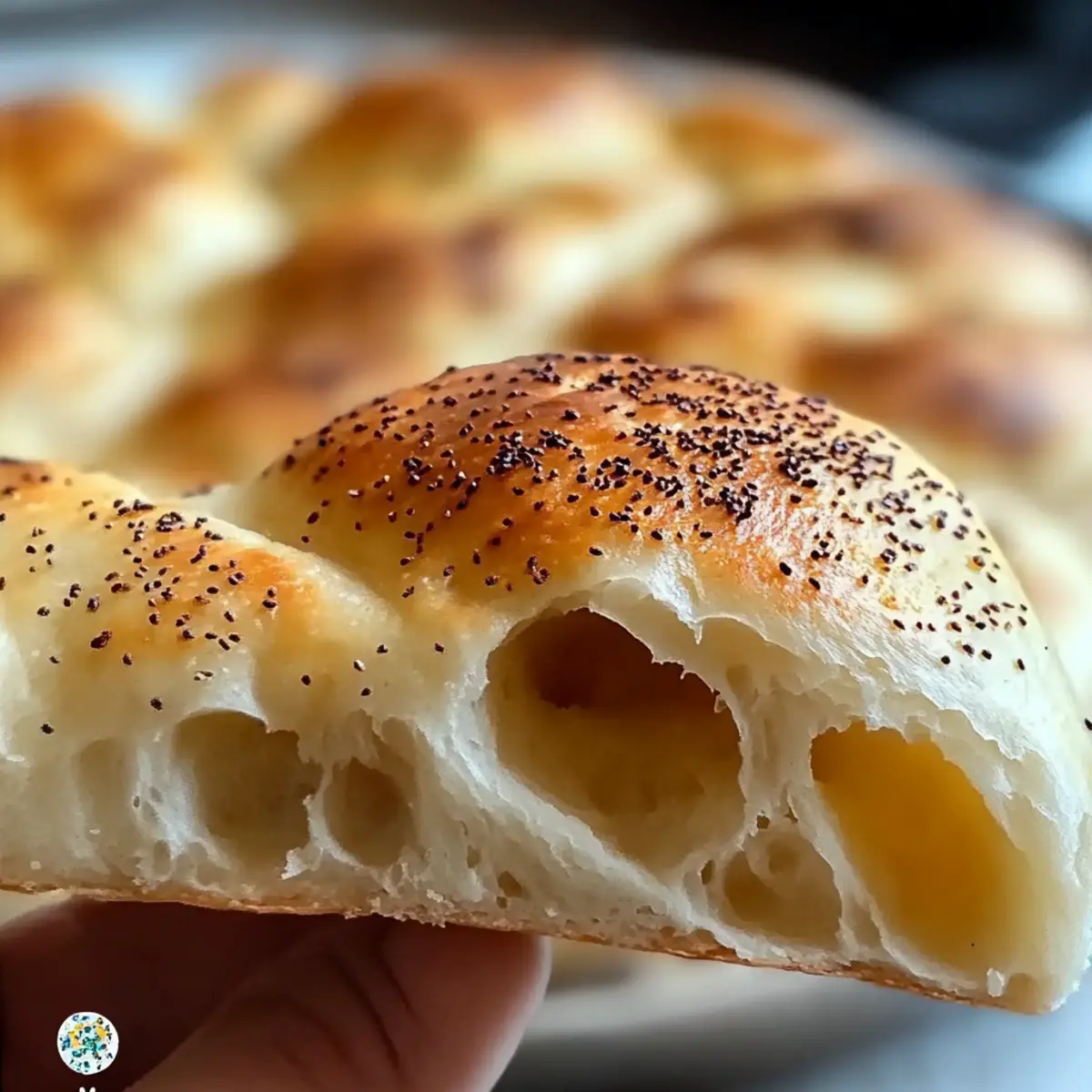
No-Oven Turkish Bread Recipe FAQs
What type of flour should I use for this recipe?
You can use all-purpose flour for a soft texture, but if you’re looking for a denser option, whole wheat flour is a great substitute. Just keep in mind that it may alter the flavor slightly, offering a nuttier taste.
How should I store No-Oven Turkish Bread?
Store the bread in a sealed container at room temperature for up to 2 days to maintain its fluffiness. If you have leftovers, you can also refrigerate them in an airtight container for up to a week, though this may cause it to become slightly less soft.
Can I freeze No-Oven Turkish Bread?
Absolutely! For freezing, wrap each piece individually in plastic wrap and then place them in a freezer bag. This method keeps the bread fresh for up to 3 months. When ready to enjoy, simply thaw it in the refrigerator overnight or reheat directly from frozen on a skillet for the best results.
What should I do if my bread turns out dense?
If your bread is dense, it could be due to insufficient kneading or not allowing enough rise time. Make sure to knead until the dough is smooth and elastic, and give it ample time (about an hour) in a warm environment to double in size before shaping.
Can I make this No-Oven Turkish Bread vegan?
Yes! You can easily make this bread vegan by substituting warm milk with non-dairy milk and using vegetable oil instead of melted butter. It will still have that delicious fluffy texture you crave!
What toppings can I use on my No-Oven Turkish Bread?
The options are endless! You can brush the freshly cooked bread with melted vegan butter, sprinkle with garlic, sesame seeds, or fresh herbs like parsley or cilantro. Get creative with flavors that you love!
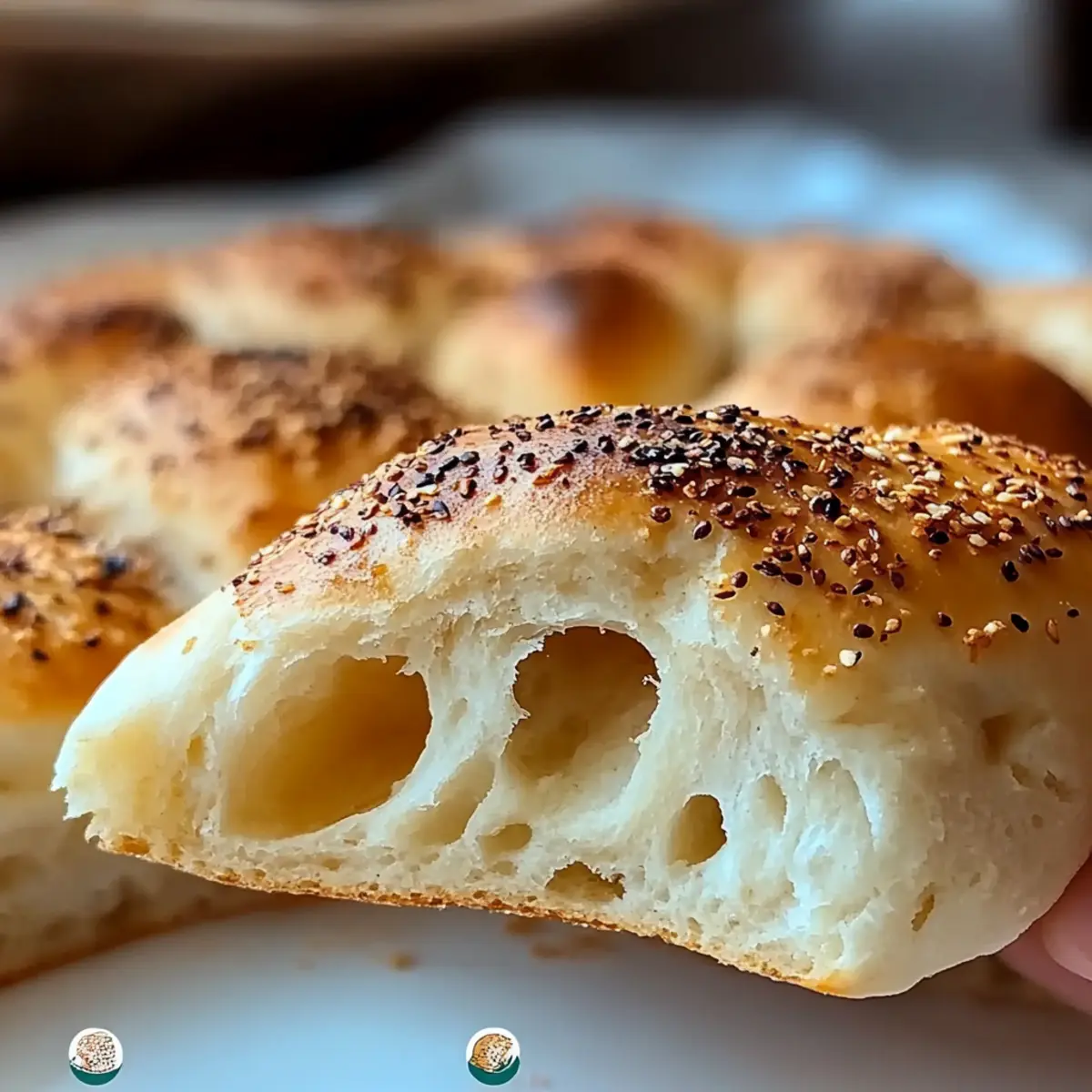
Deliciously Easy No-Oven Turkish Bread: Fluffy Flatbread Bliss
Ingredients
Equipment
Method
- In a large bowl, whisk together the all-purpose flour, salt, sugar, and instant yeast until well combined.
- In another bowl, gently mix the warm milk, warm water, and olive oil or melted butter.
- Pour the wet mixture into the dry ingredients, and stir until a shaggy dough forms.
- On a lightly floured surface, knead the dough for about 8 minutes until it becomes smooth and elastic.
- Place the kneaded dough in a bowl and cover it with a clean kitchen towel. Let it rise in a warm area for about 1 hour.
- After the dough has risen, punch it down gently to release air bubbles. Divide and shape each portion into discs.
- Heat a skillet over medium heat and place one disc in the skillet. Cook for approximately 4-5 minutes on each side until golden brown.
- Brush each flatbread with melted butter and sprinkle with toppings right after cooking.
- Enjoy the bread warm, perfect for dipping or as a wrap.
Leave a Reply